
By: Pam Wright, Local Journalism Initiative Reporter, Chatham Voice
It was by chance that Brian Gallagher happened upon the house that would become the Westover Treatment Centre.
The London-based recovering alcoholic was on his way to speak at a 12-Step meeting in Dresden. When passing by the empty Victorian home, he saw a For Sale sign on the lawn.
The rest as they say, is history.
On Valentine’s Day, the facility will mark 40 years of success, with more than 23,000 people receiving treatment for alcoholism, addiction and co-dependency.
According to Westover executive director Laird Brush, Gallagher and his wife Nancy had originally hoped to open a centre in St. Mary’s at the Westover Inn. But that didn’t pan out and the road eventually led to Chatham-Kent.
“They just kind of stole the name,” Brush joked in a recent interview. “That’s how Westover ended up in Thamesville. I don’t know if its divine intervention or what, but I think it’s the ideal location for someone that’s trying to get sober in recovery.
“It isn’t Yonge Street in downtown Toronto. It’s a very holistic and calming setting. We’re surrounded by fields. It’s not like there’s a lot of hustle and bustle going on, so people can focus on recovery.”
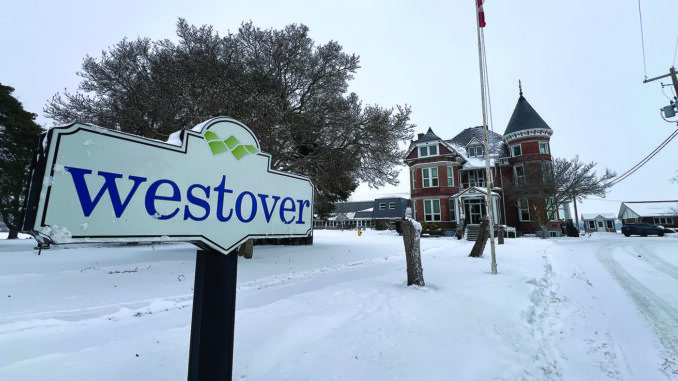
Built in the 1870s for prominent Thamesville residents John and Sarah Ferguson, the Victoria Road structure was known as Tecumseh Hall. It has served as both a private residence and a nursing home.
Gallagher, who passed away in 2021, was supported in his life-long dream by his wife, as well as Bev Thompson and Jovit Mendonca. The founders forged ahead, securing funding from the Ontario government. They opened the doors in 1986 and volunteers pitched in, restoring the structure to its original glory.
In a promotional video to celebrate the milestone, Thompson, 92, spoke about Westover’s origins.
“I hear that it is one of the finest treatment centres in the province of Ontario,” Thompson said. “I have absolutely nothing but gratitude for the opportunity that I had, for the vision that Brian Gallagher had, for the willingness to learn and for the people who came after.
“I’m just very grateful that I was surrounded by people, that if I was open to listen, they were open to give direction,” she added. “As a result, we were able to accomplish what we were able to accomplish.”
Initially, said Brush, Westover offered a 28-day residential program for substance use disorder, but funding cuts shortened it to 19 days. However, the core of the program, based on cognitive behaviour therapy combined with a 12-Step curriculum, remains the same.
Other programs and buildings have been added over the years. In 1990, a co-dependency program launched, aimed at helping the family and friends of people struggling with addiction – one of only two in Ontario.
There’s also a stage two/relapse prevention program for alcoholics and addicts as well, as weekend programs for families.
Brush, who came through as a client in 2002, returned to Westover as a part-time worker in 2013. He became a counsellor and took over the reins as executive director in 2020.
The approach to treatment has evolved over the years from a peer-centred group dynamic to become more counselling based, he added, but the goal of abstinence remains the same.
“The bigger part of a client’s journey here is the work they do in program as opposed to the relationship they have with their counsellor,” he explained.
As for the future, Brush said he hopes Westover will continue to deliver the same high-quality programming it’s been providing for four decades.
“Hopefully, we’ll have 40 more years of doing exactly what we’ve been doing,” he said.
